
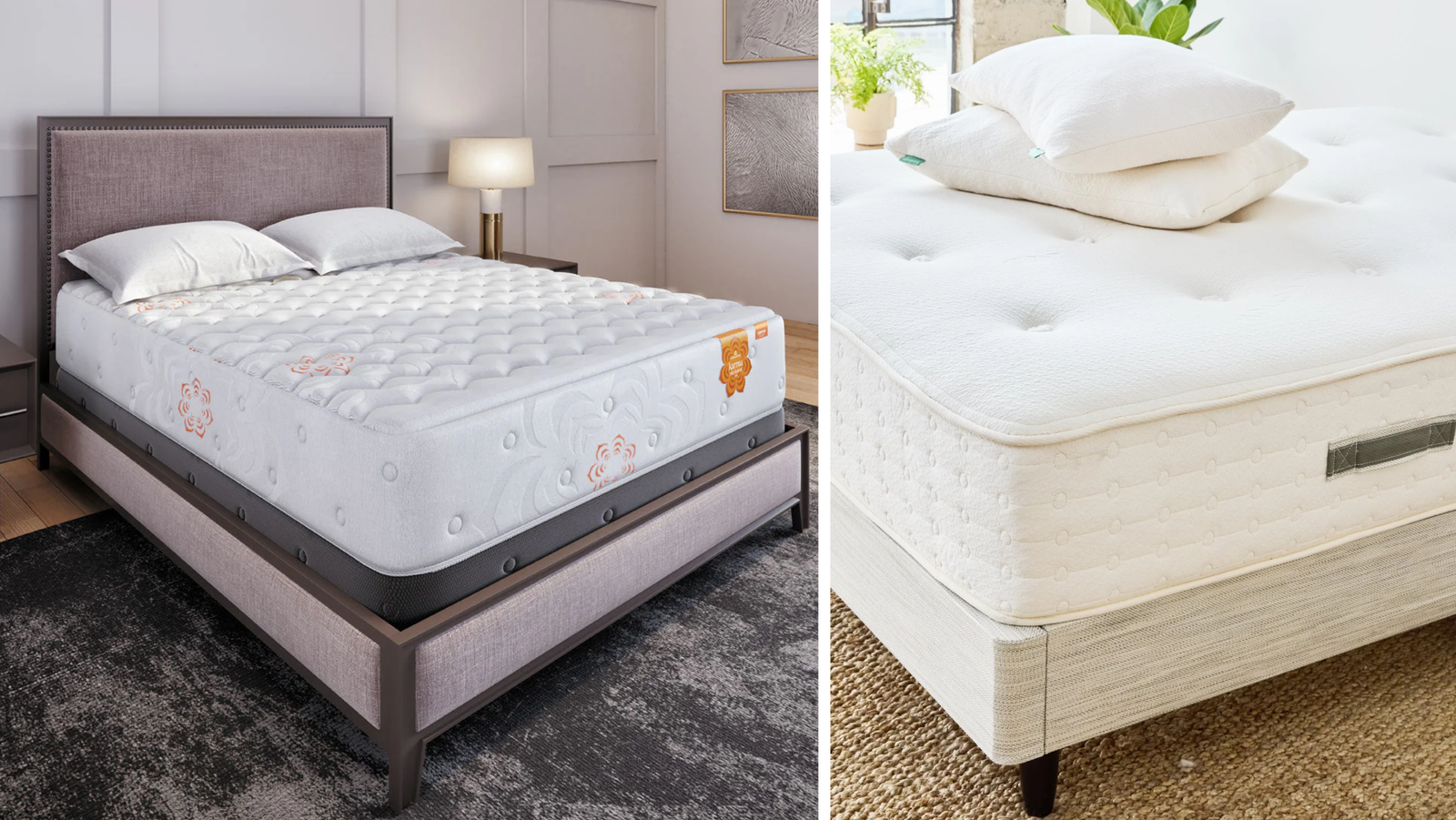
When it comes to choosing a mattress, the options can be overwhelming, especially with the growing popularity of various materials and designs. Among these, memory foam and hybrid mattresses stand out as two of the most sought-after options. Each type has its distinct features, benefits, and drawbacks, making it essential to conduct a thorough comparison before making a purchase.
Understanding the differences between these mattresses will help you to make an informed decision tailored to your specific needs and sleep habits. Memory foam mattresses are known for their body-contouring ability, providing excellent support and pressure relief. On the other hand, hybrid mattresses combine the responsiveness of pocket springs with the comfort of foam, offering a blend of benefits.
If you’re uncertain about where to start your search and want to find a nice mattress, this guide will walk you through the key factors to consider when comparing memory foam and hybrid mattresses, ensuring you choose the best option for your sleep experience.
Understanding Memory Foam Mattresses
Memory foam mattresses are designed from viscoelastic foam, a material known for its unique properties. Originally developed by NASA, this material molds to the shape of your body while providing significant support. The primary advantage of memory foam is its ability to distribute weight evenly, thereby alleviating pressure points that can cause discomfort during sleep.
One of the standout features of memory foam is its ability to isolate motion. This means that if you share a bed, you’re less likely to be disturbed by your partner’s movements during the night. Additionally, many memory foam mattresses come with hypoallergenic properties, making them excellent for allergy sufferers. However, potential downsides include heat retention, which can make the sleep surface warmer, particularly for those who tend to sleep hot.
Exploring Hybrid Mattresses
Hybrid mattresses combine the best elements of memory foam and traditional pocket springs. They typically feature a support system of pocket springs at the core, which are individually wrapped to provide tailored support to different body areas. The top layer usually consists of memory foam or latex, offering the comfort and contouring benefits associated with these types of materials.
The primary advantage of hybrid mattresses is their versatility. By combining materials, they provide both support and comfort, making them suitable for a variety of sleeping positions and preferences. Hybrid mattresses often promote better airflow compared to memory foam alone, resulting in a cooler sleeping experience. However, they can be heavier and require more effort to move, especially in larger sizes.
Comparing Comfort Levels
When comparing memory foam and hybrid mattresses, comfort is a significant element to consider. Memory foam mattresses often provide a “sink in” feeling, hugging the body closely. This contouring effect can be particularly beneficial for side sleepers, as it reduces pressure on the shoulders and hips. However, some people might find this sensation constricting, particularly those who prefer a firmer surface.
Conversely, hybrid mattresses offer a mix of support and softness. They provide the bounce of pocket springs while still accommodating body shape through foam layers. This feature can appeal to those who sleep on their backs or stomachs, as it helps maintain proper spinal alignment without compromising comfort. Ultimately, your personal preferences in terms of firmness and support will dictate which option is best for you.
Evaluating Temperature Regulation
Temperature regulation is another critical aspect to discuss when comparing these two types of mattresses. Memory foam is known for its heat retention, which can be an issue for some sleepers. Many brands counteract this with cooling technologies, such as gel-infused foam or other breathable materials. However, even with these advancements, heat retention can still occur, leading to an uncomfortable night’s sleep for some.
Hybrid mattresses, on the other hand, generally offer better cooling properties. The open space created by the pocket springs allows for improved airflow, helping to regulate body temperature. This can be particularly beneficial for those who tend to overheat during the night. When evaluating mattress choices, pay careful attention to reviews regarding temperature control to determine which option may work best for you.
Considering Durability and Maintenance
Durability is an essential factor to examine, as a good mattress should last for several years. Memory foam mattresses typically have a lifespan of 10 to 15 years, especially if they are made from high-quality materials. They require minimal maintenance and don’t need rotating or flipping since they are designed as one-sided structures.
Hybrid mattresses generally last around 7 to 10 years, depending on the materials used and the frequency of maintenance. The coils in hybrid designs may wear down over time, particularly if the mattress is subject to heavy use. Keep in mind that regular rotation is recommended for hybrids to prolong their lifespan. When considering longevity, evaluate both types and choose the one that aligns best with your comfort and maintenance preferences.
Budget Considerations
The cost of a mattress can significantly influence your decision. Memory foam mattresses tend to be less expensive on average compared to hybrids, which may carry a higher price tag due to the combination of materials. However, prices can vary widely within each category based on features, brand, and quality.
When comparing costs, consider investing slightly more in a good-quality mattress that meets your comfort and support needs. Many retailers offer financing options or promotions, making it easier to take home a higher-priced but superior-quality mattress. Evaluate what you value most comfort, durability, or budget and let this guide your final decision.
Final Recommendations
Before making a final decision, it’s vital to evaluate your own sleeping habits and preferences. Take into account the type of sleeper you are, whether you sleep on your side, back, or stomach, and any specific comfort needs you may have, such as back pain or temperature sensitivity.
Additionally, consider testing the mattresses in-store if possible. Lay down on the beds to see how they feel, and pay attention to how well each option supports your body in your preferred sleeping position. Take advantage of sleep trials offered by many retailers, allowing you to test each mattress at home before committing.
Conclusion
Choosing between a memory foam and a hybrid mattress involves evaluating individual preferences and needs. While memory foam provides excellent contouring and support, hybrids offer a balance of responsiveness and breathability. Make sure to consider factors such as temperature regulation, comfort, durability, and budget to make an informed decision. Testing out each option and understanding what aligns best with your sleeping habits will lead you to a comfortable and restful night’s sleep. Armed with this guide, you’re now ready to make a confident choice in your mattress journey!
FAQs
Which mattress type is best for side sleepers?
Memory foam mattresses are generally best for side sleepers due to their pressure-relieving properties and ability to contour to the body’s shape.
Do hybrid mattresses sleep cooler than memory foam?
Yes, hybrids usually offer better airflow due to their pocket spring design, making them a cooler sleeping option.
How long do memory foam mattresses last?
Quality memory foam mattresses can last between 10 to 15 years with proper care.
Are hybrid mattresses worth the extra cost?
Many find hybrids worth the investment for their versatile balance of support and comfort, making them suitable for a variety of sleeping positions.
Can I test a mattress before buying it?
Yes, many retailers allow you to test mattresses in-store. Additionally, online retailers often offer sleep trials to test at home.
Also, Read The Following: Jynxzi Age

